
Solution
Prevent distortion instead of correcting it
Distortion does not happen at random. It follows the heat distribution in the part — and that can be computed and influenced before the build.
Why compensation starts too late
Conventional tools show where distortion will occur and pre-deform the geometry to compensate. That treats the symptom. The cause is an uneven thermal history, and that comes from the exposure strategy.
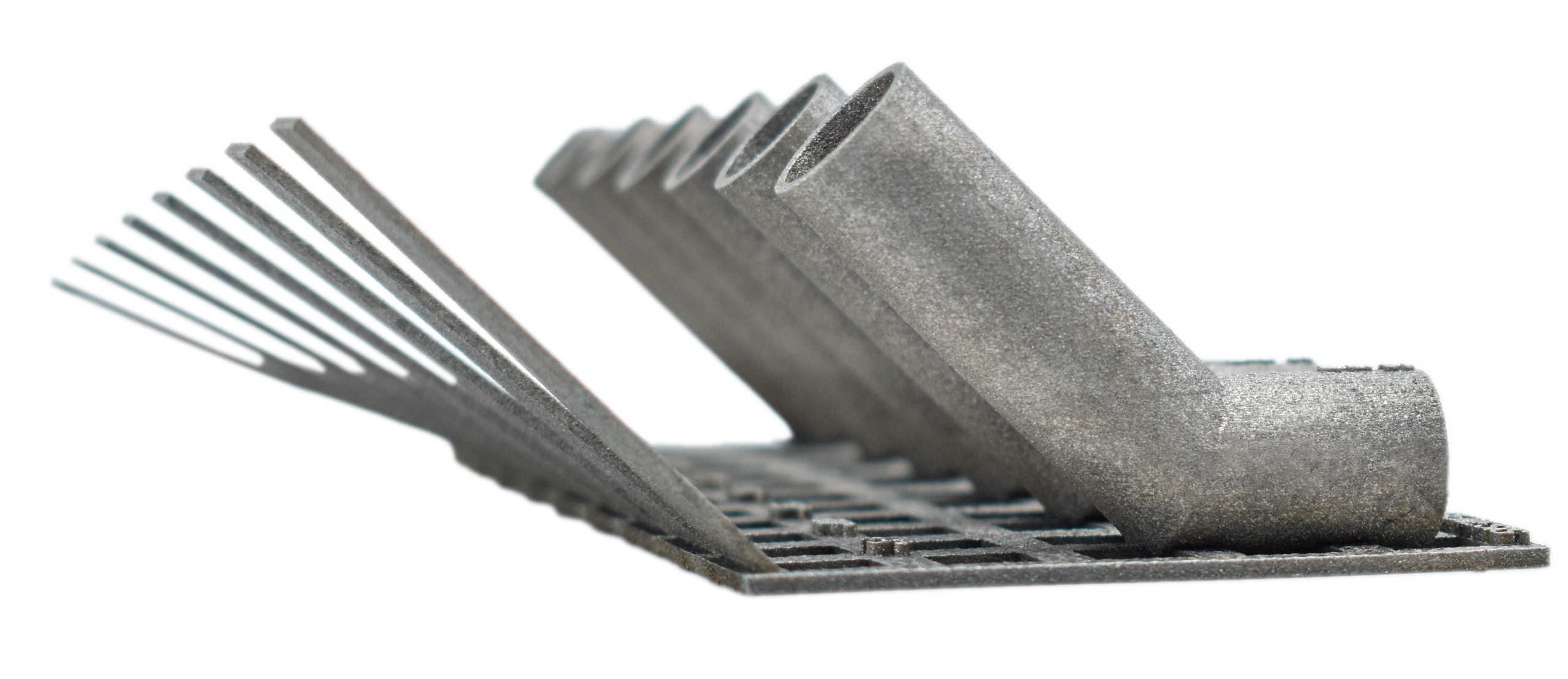
The same part, twice
Drag to remove the distortion
The same part on the same machine. The only difference is that the heat was simulated and the exposure adapted before the build.
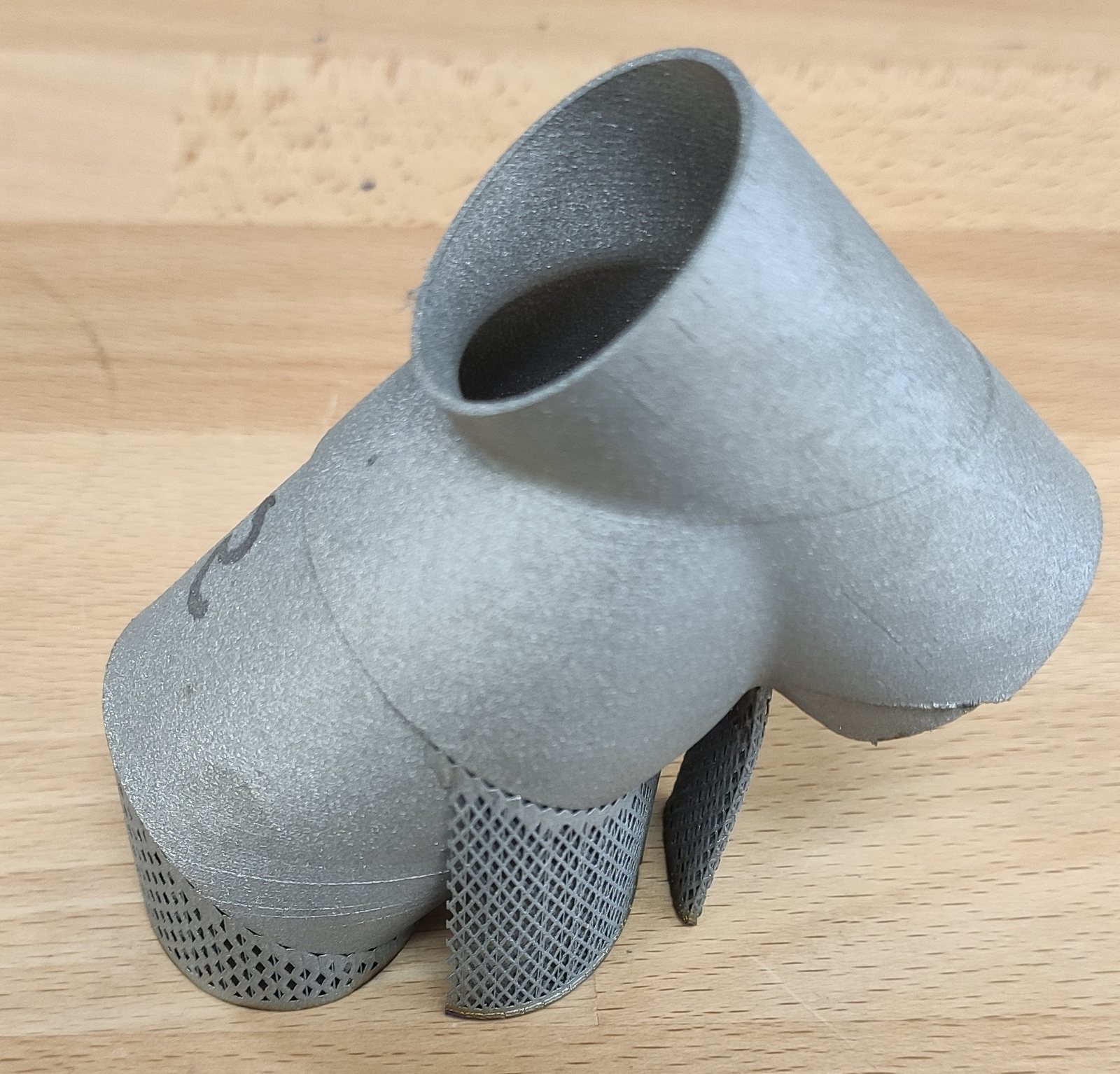
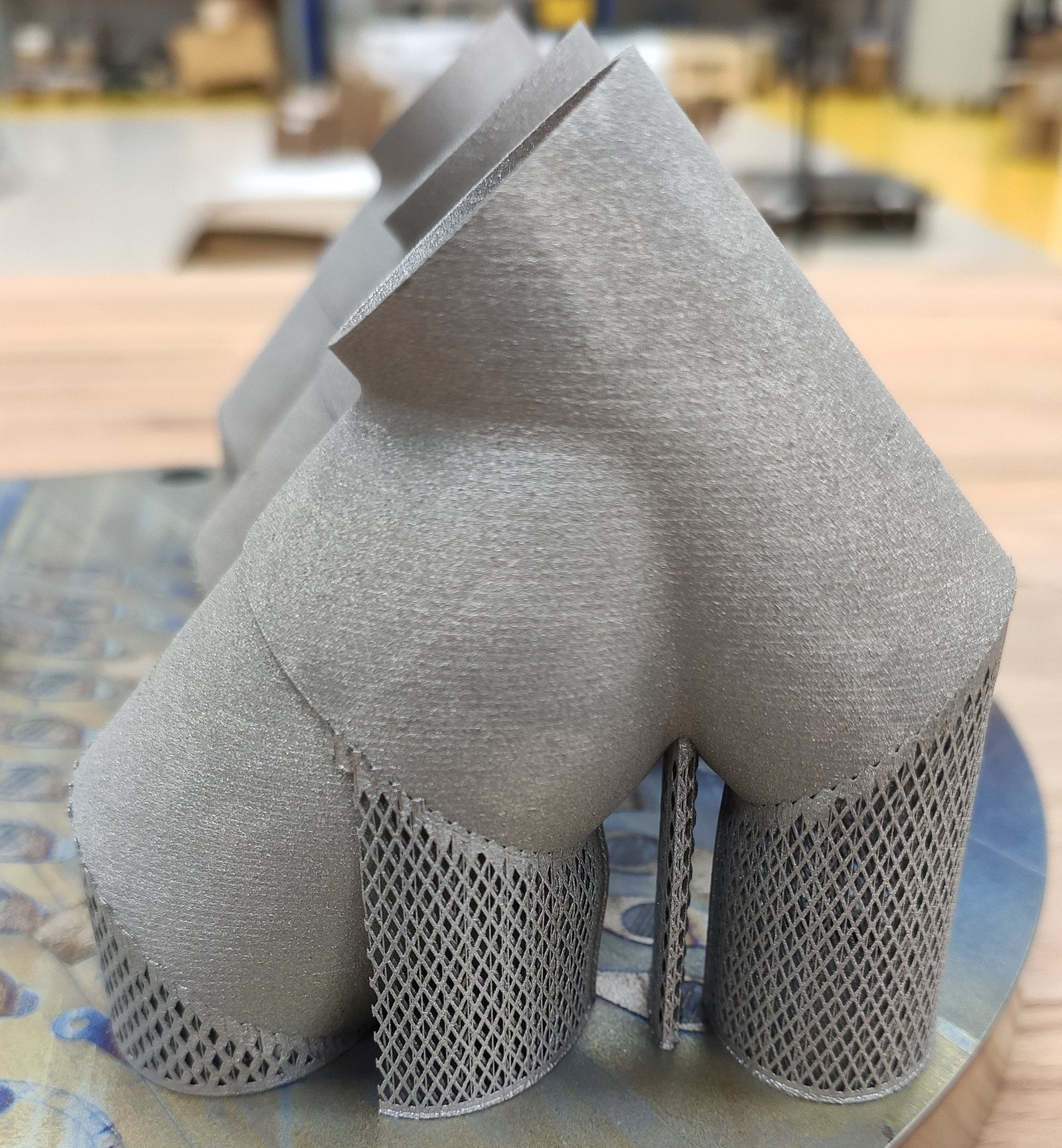 Without simulation
With GENESIS
Without simulation
With GENESIS
Same geometry, same machine. The only difference is that the heat was known before the build.
How GENESIS solves it
Cause, not symptom
Simulation identifies overheated regions, and the strategy steers heat away where it forms.
Even pre-exposure temperature
Power Control aims at a uniform temperature on the layer being exposed, so hot spots never form.
Explainable
Deterministic calculation instead of experience: the same inputs lead to the same strategy.
On the identical part
3
shrink lines, conventional
0
prepared with simulation
16 s
thermal simulation
Aconity3D: identical geometry, identical machine. The only difference is that the heat was simulated and the strategy adapted before the build.
The software behind it
What you are trying to solve
Frequently asked questions
Does this replace distortion simulation?
It acts earlier. Rather than pre-deforming the geometry, GENESIS changes the exposure strategy so that less distortion forms. The two are not mutually exclusive.
Where does the difference come from?
From hatch sequence and orientation. They determine the thermal history of every layer, and with it residual stress, distortion and support need.
Does this hold for all materials?
The method is material-independent; the calibration is not. A new machine and material combination needs two factors and two build jobs.
Ready to get started?