
Solution
Two factors, two build jobs
Bringing a new machine and material combination into service is normally a project. With GENESIS it is a calibration with a clearly defined scope.
Why experience does not scale
Experience-led parameter tuning ties knowledge to people and to parts you have already printed. Every new geometry starts the loop again — and it is hard to document.
The path into production
Demo
GENESIS live on a representative part: thermal simulation, hatching and power strategy in minutes.
Pilot on your part
We prove the value on one of your applications. Qualification needs two calibration factors and two build jobs — thermal and mechanical.
Scale to production
GENESIS moves into your production workflow — as a desktop application or fully automated through the GENESIS API.
Seen on a part
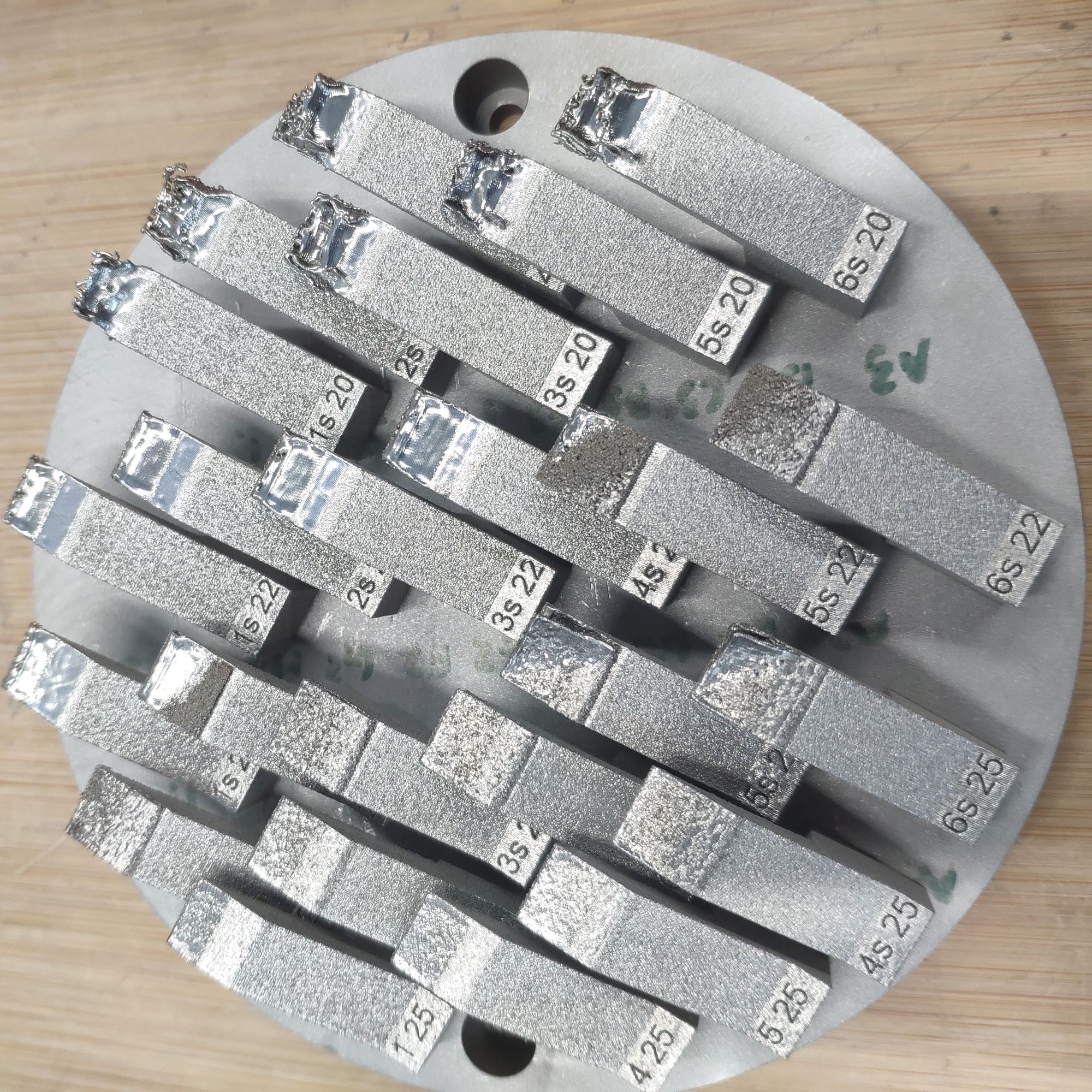
What this looks like in the build
Bringing a new machine and material combination into service is normally a project. With GENESIS it is a calibration with a clearly defined scope.
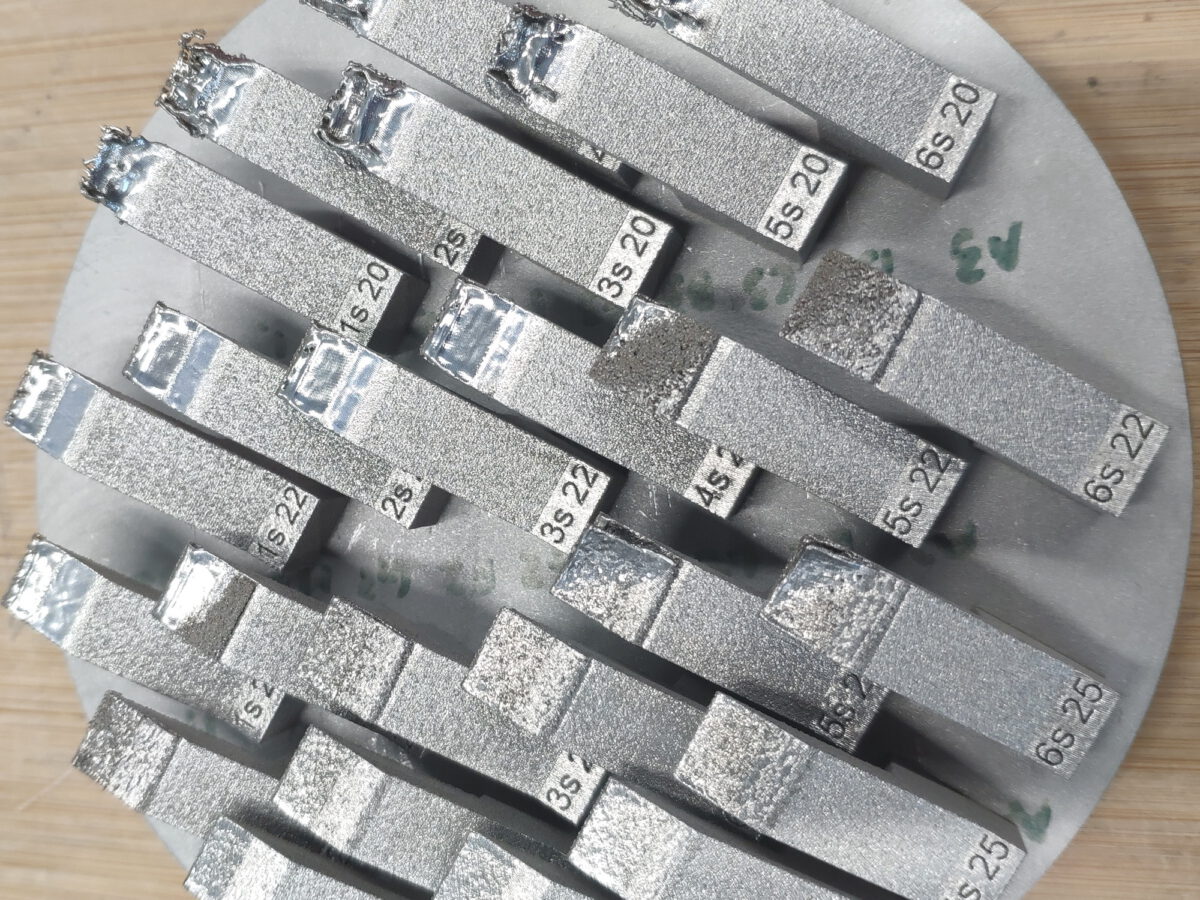
The calibration effort
2
calibration factors
2
build jobs
7
OEM platforms evaluated
One thermal and one mechanical factor. After that the method transfers to further geometries on the same machine and material.
The software behind it
What you are trying to solve
Frequently asked questions
What exactly is calibrated?
A thermal and a mechanical factor for the machine and material combination. They align the simulation model with your real process environment.
And for a new material?
The calibration is repeated for that combination — again two factors, two build jobs.
Is this process qualification in the regulatory sense?
No. GENESIS provides the deterministic, explainable calculation your qualification builds on. The qualification itself remains your process — we support it.
Do you support that?
Yes. We work as an innovation partner rather than a licence — from first evaluation through to running production.
Ready to get started?