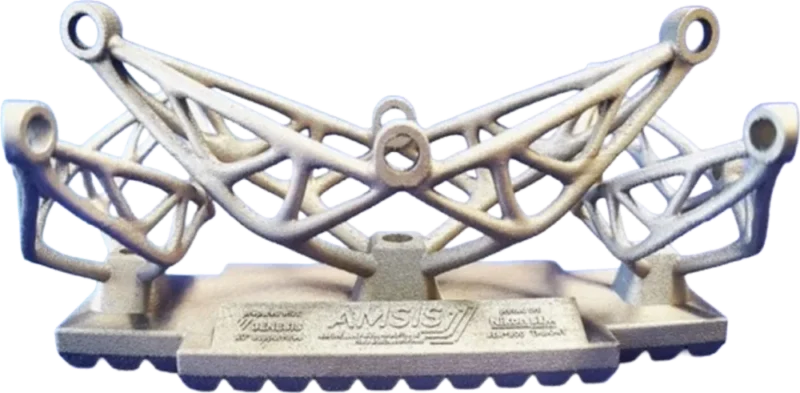
Aerospace Bracket
- Material
- Ti64
- Overhang
- down to 20°

Industry
Certified lightweight parts with steep overhangs are exactly the geometries that make conventional build preparation expensive. GENESIS predicts the thermal behaviour and adapts the exposure strategy before machine time is spent.
Structural parts, brackets and tanks are designed topology-optimised — and those shapes produce overhangs that conventionally print only with extensive support structures. Every support costs powder, build time and rework, and every failed build costs the whole job.
What GENESIS does
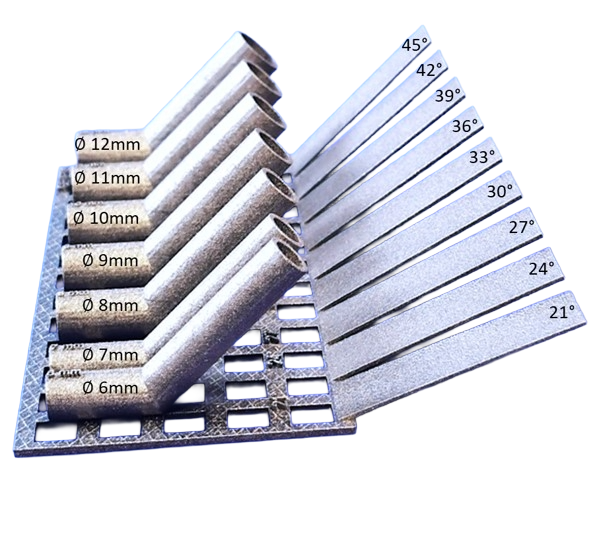
Support-free overhangs down to 20° achieved in Ti64 on an SLM 500. Conventional practice sits at roughly 45°.
Fewer supports means less manual removal inside geometries that are barely machinable.
The method transfers to new geometries instead of living in one engineer's experience.
Typical parts
Structural brackets · satellite tanks · ducting · topology-optimised consoles
In practice
Structural brackets · satellite tanks · ducting · topology-optimised consoles
−95 %
support volume
−29 %
cost per part
20°
support-free overhangs, Ti64
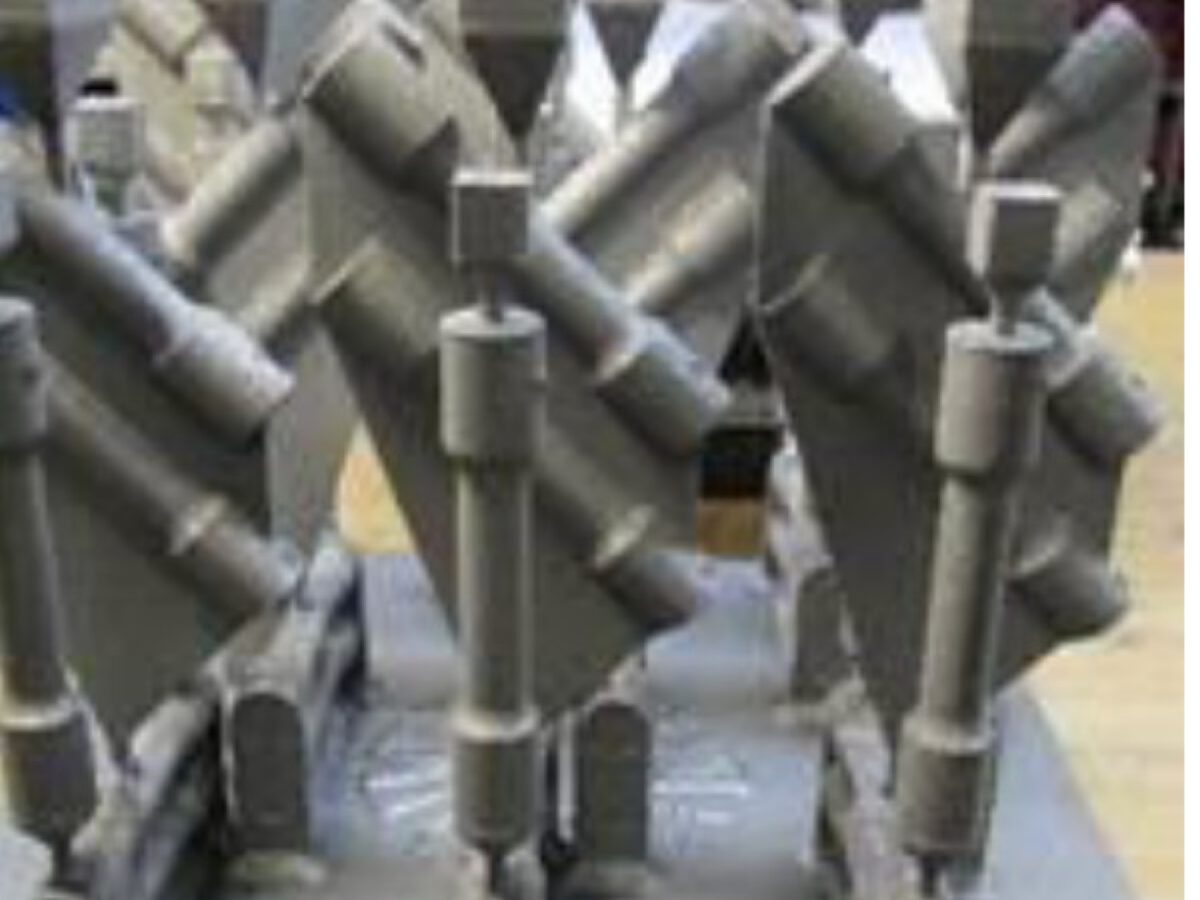
Topology-optimised bracket in serial production: 29% lower cost per part, 0.5 instead of 8 hours of support removal per build job.
Renowned universities and companies trust GENESIS





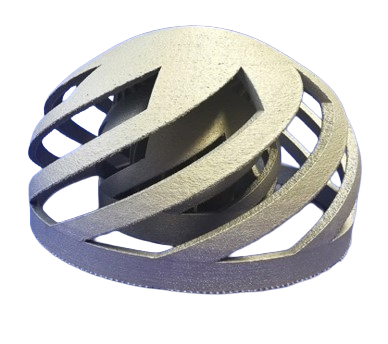
Real parts, prepared in GENESIS and printed on production machines.
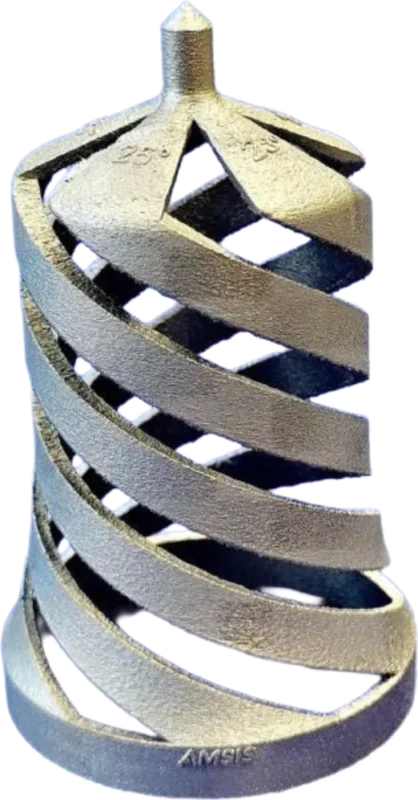
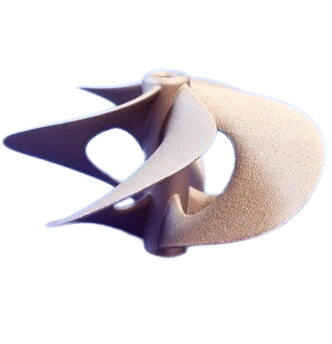
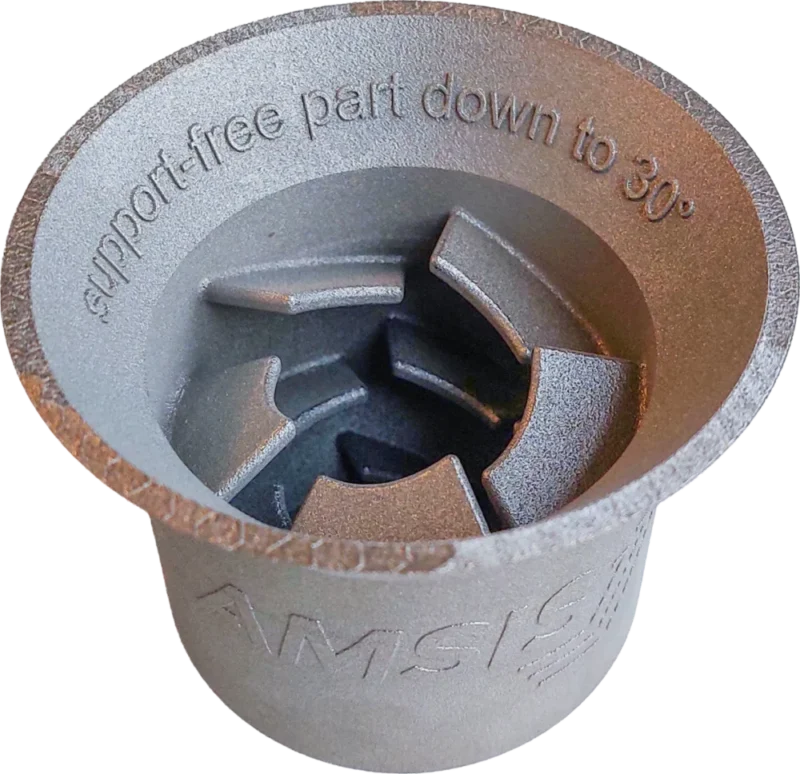
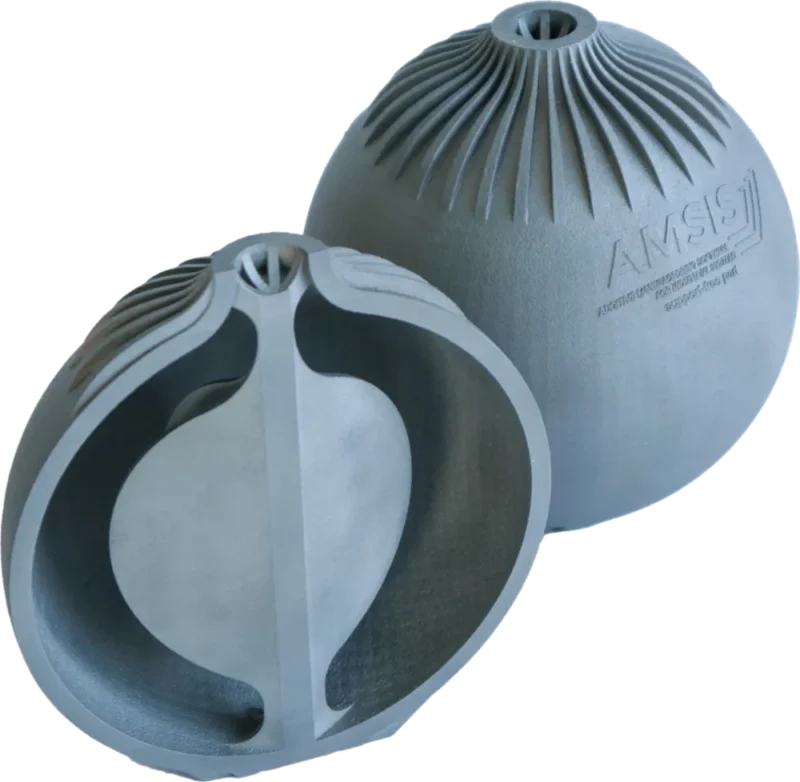
GENESIS gives you the deterministic, explainable calculation a qualification builds on — it does not replace one. Calibrating to your machine and material takes two factors and two build jobs, thermal and mechanical.
Yes. Smart Hatching takes the approved OEM process parameters as boundary conditions and changes the exposure sequence and orientation, not the parameters themselves.
Ti64 to 20°, IN718 to 15°, AlSi10Mg to 14°, AlSi7Mg0.6 to 25°, from technology evaluations across seven OEM platforms.
A full thermal simulation of an IN718 impeller across 625 layers takes 16 seconds. Preparing a complete build job takes 82 seconds. That makes simulation part of daily work rather than a separate study.
Yes, through the GENESIS API, which brings simulation and strategy generation into automated manufacturing pipelines.
Ready to get started?