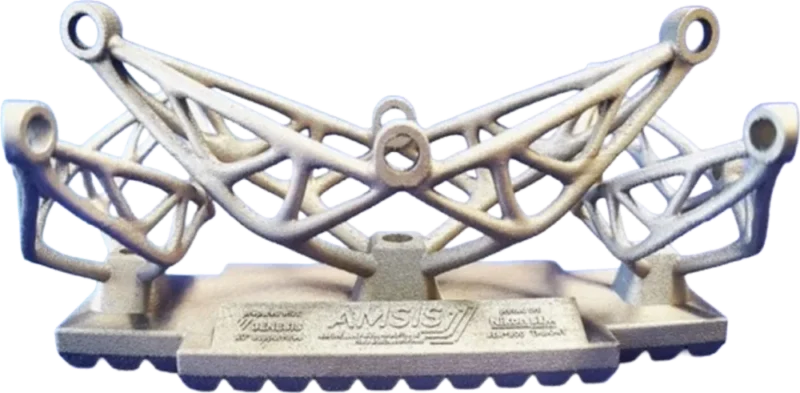
Aerospace Bracket
- Material
- Ti64
- Overhang
- down to 20°

Industry
Impellers, manifolds and heat exchangers have exactly the mass distributions where heat accumulates. Where heat flow is visible before the build, distortion can be steered rather than corrected.
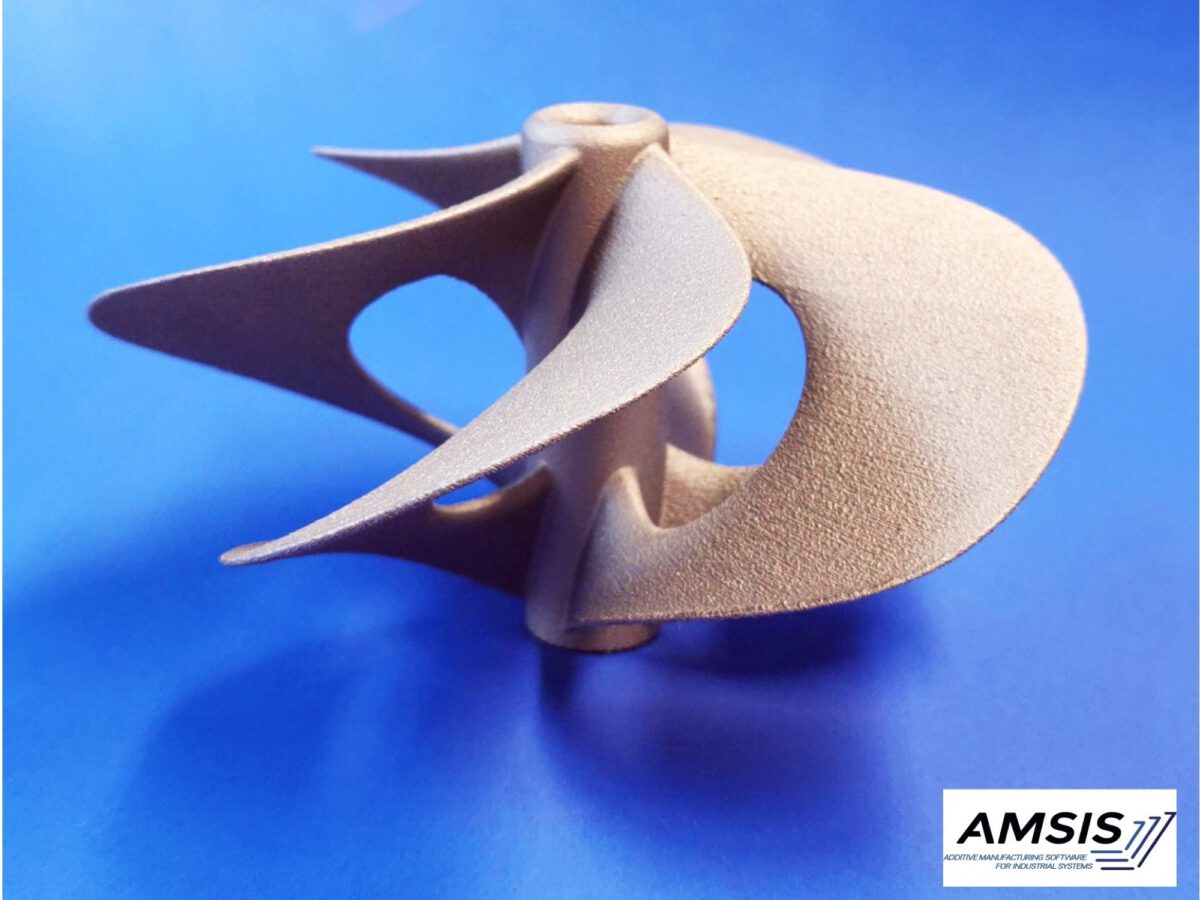
Closed impellers with curved blades, thin walls and internal flow surfaces are thermally difficult: overhangs and mass concentrations create uneven heat and distortion risk. Internal supports are also close to impossible to remove.
What GENESIS does
Fast Heat Simulation shows the intensity and extent of overheated regions, layer by layer.
Smart Hatching steers heat away from critical zones instead of treating them afterwards.
Precisely where manual removal is most expensive, or impossible.
Typical parts
Radial impellers · manifolds · heat-exchange geometries · turbine components
In practice
Radial impellers · manifolds · heat-exchange geometries · turbine components
16 s
thermal simulation, IN718
625
layers simulated
20°
support-free overhang
Radial impeller, 164 × 79 × 25 mm, printed on an SLM 500 at the Danish Technological Institute.
Renowned universities and companies trust GENESIS





Real parts, prepared in GENESIS and printed on production machines.
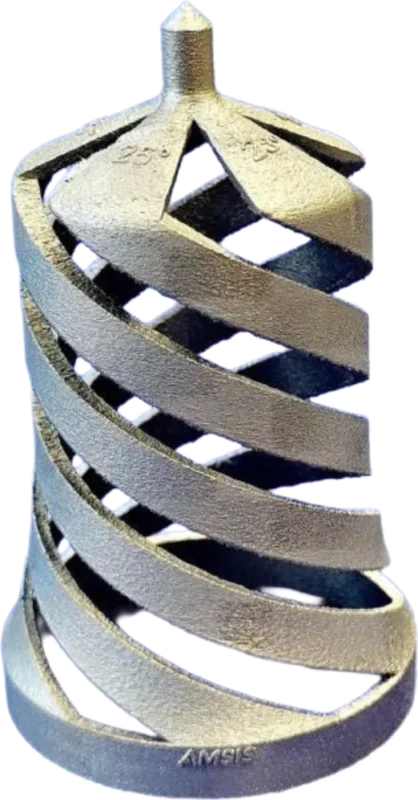
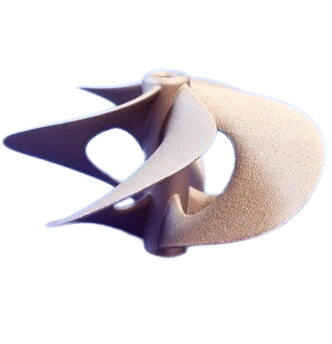
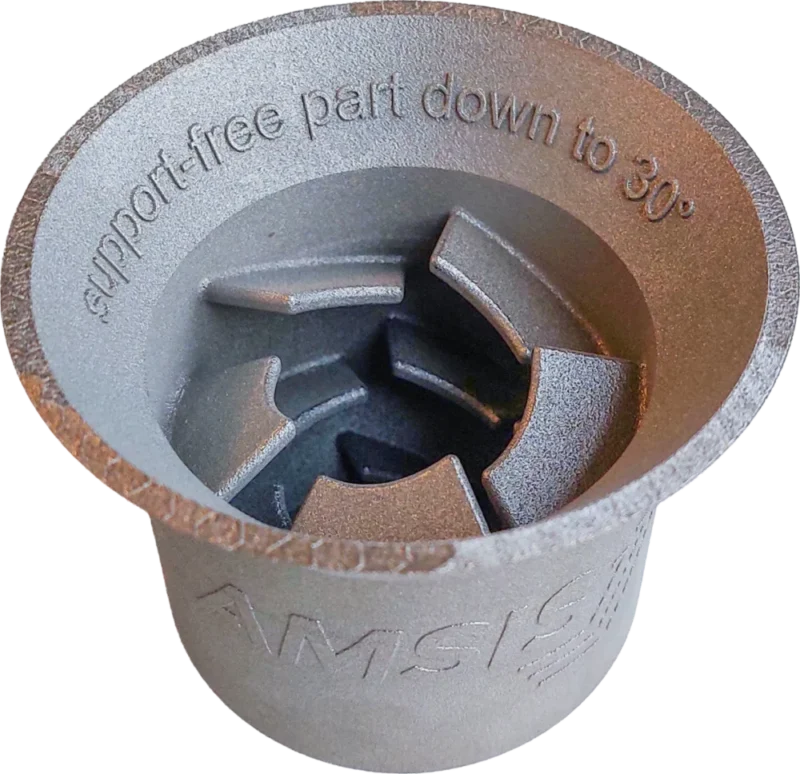
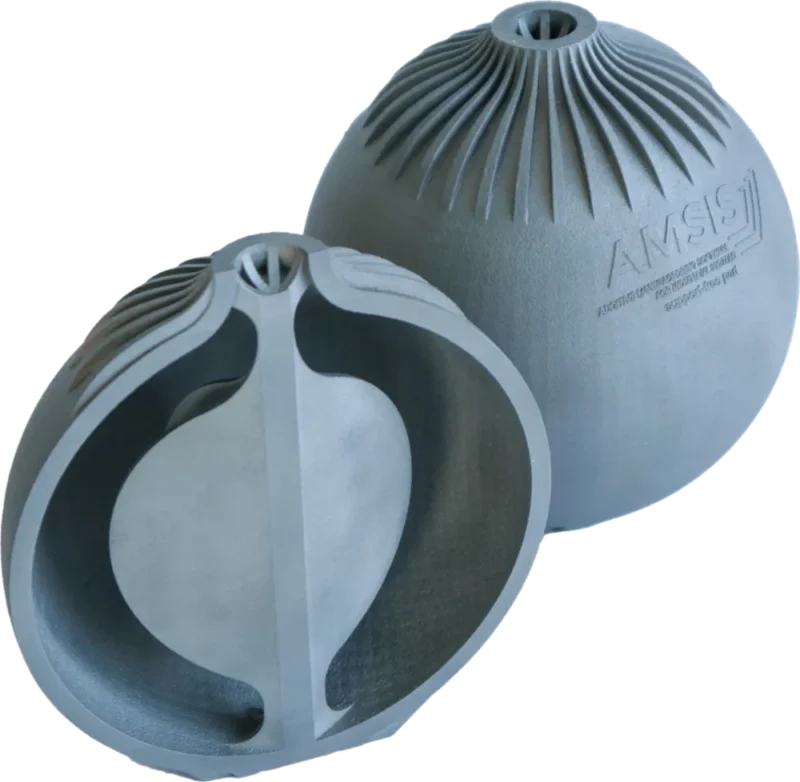
It is built to identify critical regions reliably and derive a strategy from them — not to replace an FEM result. The difference is seconds instead of hours, which is what makes it usable on every build job.
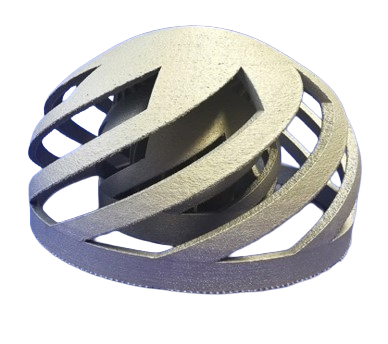
Yes. On test geometries, closed spheres with 0° overhangs were printed with no internal supports at all.
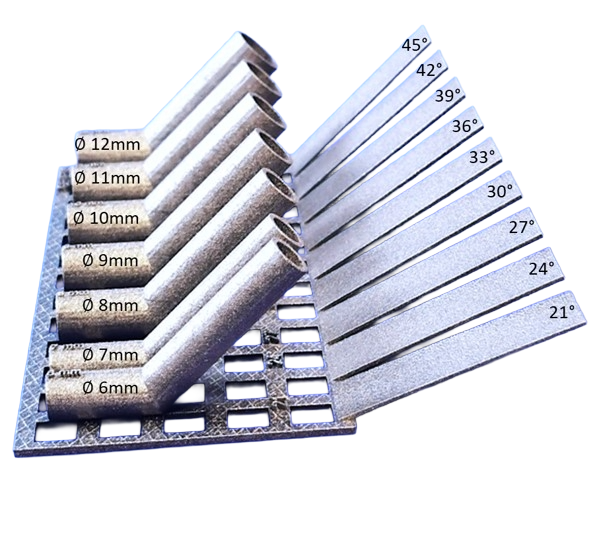
IN718 down to 15° support-free overhang, from the OEM technology evaluations.
More even thermal conditions act on the causes of distortion and residual stress. How much is part- and material-specific — we work that through on your part.
Ready to get started?